Baked Mac and Cheese: Golden, Crispy, and Ultra-Creamy
There’s mac and cheese — and then there’s baked mac and cheese: a bubbling, golden-topped casserole dish that fills the kitchen with…
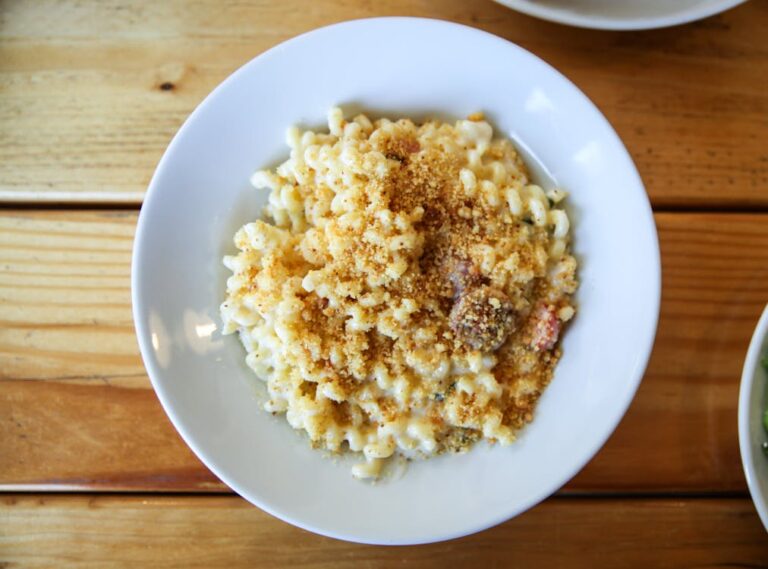
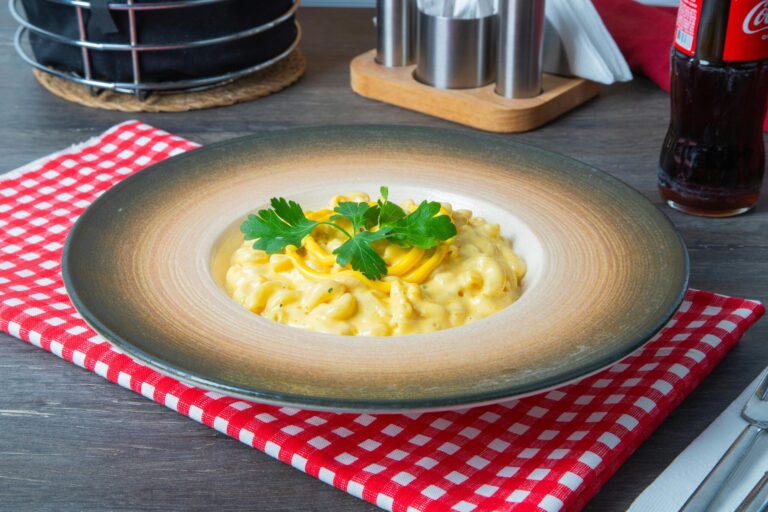
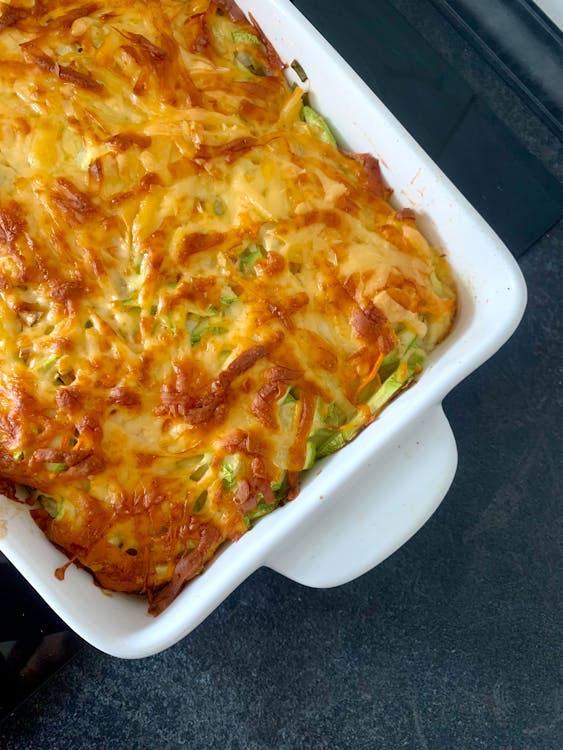
There’s mac and cheese — and then there’s baked mac and cheese: a bubbling, golden-topped casserole dish that fills the kitchen with an irresistible aroma and delivers a perfect contrast of creamy, saucy noodles beneath a shatteringly crisp panko crust. This is the dish you bring to potlucks. This is the one that earns the “can I have the recipe?” question every single time.
This recipe starts with a rich three-cheese béchamel sauce — sharp cheddar, Gruyère, and Parmesan — that coats every noodle before the whole thing goes into a hot oven to develop that iconic golden crust. It’s classic American comfort food, made from scratch, and absolutely worth every minute.
Why This Baked Mac and Cheese Works
- Proper béchamel base. A flour-and-butter roux creates a silky, stable sauce that doesn’t break in the oven — the secret to mac and cheese that stays creamy, not dry.
- Three-cheese depth. Sharp cheddar brings bold flavor, Gruyère adds nutty complexity, and Parmesan brings salty intensity. Together they’re unstoppable.
- Panko topping. Buttered panko breadcrumbs mixed with Parmesan toast into a golden, crunchy crust that’s infinitely better than plain breadcrumbs.
- Undercook the pasta. Cooking the macaroni 2 minutes short of done before baking is the key move — it finishes in the oven and stays perfectly al dente, not mushy.
- Big-batch friendly. This recipe feeds 6 generously and doubles beautifully for a crowd.
The Key to a Creamy (Not Dry) Baked Mac and Cheese
The biggest mistake people make with baked mac and cheese is ending up with a dry, clumped casserole instead of a creamy one. Here’s how to avoid it:
Make your sauce looser than you think it needs to be. Before baking, the cheese sauce should seem almost too saucy — almost pourable. The pasta will absorb a significant amount of liquid in the oven, so a sauce that looks perfect before baking will turn dry once it comes out.
Don’t overbake. 20–25 minutes at 375°F is all you need. The goal is a golden top and bubbling edges, not a fully set casserole. Pull it when you see bubbles and color.
Rest before serving. Five minutes out of the oven lets the sauce settle and thicken slightly, making it much easier to serve a clean scoop.
Critical tip: Always grate your cheese fresh from a block. Pre-shredded cheeses contain anti-caking agents like cellulose and potato starch that prevent smooth melting and make your sauce grainy. A box grater takes 2 minutes and makes all the difference.
Ingredients
(Full recipe card with measurements is below)
For the pasta:
- Elbow macaroni — the classic shape; the curved tubes catch and hold the sauce perfectly.
For the cheese sauce:
- Unsalted butter + all-purpose flour — the roux base that gives the sauce its body and stability.
- Whole milk + heavy cream — together they create a sauce that’s rich but not overwhelmingly heavy.
- Sharp cheddar — the essential mac and cheese backbone. Go sharp or extra-sharp for bold flavor.
- Gruyère — adds a nutty, slightly sweet complexity that elevates the sauce beyond standard cheddar-only recipes.
- Parmesan — divided between the sauce and the topping; salty, savory intensity in every bite.
- Dijon mustard — a background amplifier that makes the cheese taste more like itself without being detectable.
- Garlic powder + smoked paprika — warm, savory depth that rounds out the whole dish.
- Cayenne pepper — optional, but even a small pinch adds a gentle warmth that balances the richness.
For the topping:
- Panko breadcrumbs — coarser than regular breadcrumbs, they toast into a crunchier, more open crust.
- Melted butter — the fat that makes the crumbs toast golden rather than just dry out.
How to Make Baked Mac and Cheese
Step 1: Preheat and Prep
Set your oven to 375°F (190°C). Generously butter a 9×13-inch baking dish — this prevents sticking on the sides and helps the bottom crust develop color.
Step 2: Cook the Pasta (Intentionally Underdone)
Bring a large pot of heavily salted water to a boil. Cook your macaroni until it’s 2 full minutes shy of the package’s al dente time. It should still have a noticeable bite when you drain it. Toss lightly with a bit of butter to prevent sticking while you make the sauce.
Step 3: Build the Béchamel
In a large, heavy-bottomed saucepan over medium heat, melt the butter. Add the flour all at once and whisk constantly for about 2 minutes. You’re cooking out the raw flour taste — the mixture should smell faintly nutty, not pasty. Slowly stream in the warmed milk and cream, whisking constantly. Keep whisking over medium heat for 5–6 minutes until the sauce thickens enough to coat the back of a spoon. Don’t rush this step by cranking the heat — patience gives you a silky, lump-free result.
Step 4: Melt In the Cheese
Pull the saucepan off the heat. Add the grated cheddar, Gruyère, and 1/4 cup of the Parmesan a small handful at a time, stirring after each addition until completely melted before adding more. Off-heat melting prevents the cheese proteins from seizing up and turning grainy. Stir in the Dijon mustard, garlic powder, smoked paprika, cayenne, salt, and pepper. Taste — it should be bold and rich with a good hit of salt.
Step 5: Combine and Transfer
Add the drained pasta to the cheese sauce and fold until every noodle is coated. The mixture will look very saucy — that’s exactly right. Transfer to the prepared baking dish and spread into an even layer.
Step 6: Make the Panko Topping
Toss the panko breadcrumbs with the melted butter and remaining 1/4 cup Parmesan in a small bowl until the crumbs are evenly moistened. Spread over the pasta in a single, even layer.
Step 7: Bake Until Golden
Bake for 20–25 minutes until the breadcrumb crust is deep golden brown and you can see the sauce bubbling around the edges of the dish. For an extra-crispy top, switch to broil for the last 2–3 minutes — but stay close and watch it carefully, as the crust can go from golden to burnt in under a minute.
Step 8: Rest and Serve
Let the dish rest for 5 minutes before serving. This isn’t optional — it gives the sauce time to settle and thicken just enough to make clean, generous scoops. Serve straight from the baking dish.
Tips, Variations & Add-Ins
Make it spicy. Add an extra 1/2 teaspoon of cayenne to the sauce, or stir in a tablespoon of your favorite hot sauce. For a recipe fully built around heat, check out our Spicy Mac and Cheese — it’s loaded with flavor-building tips.
Add protein. Stir in pulled rotisserie chicken, crispy bacon, or diced ham with the pasta before transferring to the baking dish.
Mix up the cheese. Fontina or white cheddar are great swaps for Gruyère. Smoked gouda adds an incredible smoky depth. Just keep the total amount of cheese consistent.
Go gluten-free. Swap the elbow macaroni for your favorite GF pasta and use cornstarch (1:1 for flour) in the roux. Our full Gluten-Free Mac and Cheese guide walks through all the details.
Vegetable add-ins. Fold in thawed frozen peas, roasted broccoli florets, or sautéed mushrooms for extra color and texture.
What to Serve With Baked Mac and Cheese
Baked mac and cheese is a complete crowd-pleaser on its own, but it really shines as part of a full spread. A crisp coleslaw, a simple green salad, or some roasted vegetables balance the richness beautifully. For a full list of pairing ideas, head over to our guide on What to Serve with Mac and Cheese.
Storing & Reheating
- Refrigerator: Store leftovers covered in the baking dish or in an airtight container for up to 4 days. The pasta will absorb more sauce as it sits — this is completely normal.
- Reheating (oven): Cover with foil and reheat at 350°F for 15–20 minutes. Add a splash of milk before covering to help restore creaminess. Remove foil for the last 5 minutes to re-crisp the topping.
- Reheating (microwave): Heat in 30-second bursts, stirring between each, with a small splash of milk. The topping won’t be crispy but the sauce will revive beautifully.
- Freezing: Assemble the dish through Step 6 (without the panko topping), wrap tightly, and freeze for up to 2 months. Add the topping fresh and bake straight from frozen, adding 15–20 minutes to the bake time.
Frequently Asked Questions
Can I make baked mac and cheese ahead of time?
Yes! Assemble the dish completely — pasta in sauce, in the baking dish — but hold off on adding the breadcrumb topping. Cover and refrigerate for up to 24 hours. When ready to bake, let it sit at room temperature for 30 minutes, add the topping, and bake as directed. You may need an extra 5–10 minutes since it’s starting cold.
Why did my cheese sauce turn grainy?
Two causes: adding cheese over high heat (proteins seize up) or using pre-shredded cheese (anti-caking agents prevent smooth melting). Always remove the pan from heat before stirring in cheese, and grate it fresh from a block.
Can I use a different type of pasta?
Absolutely. Cavatappi (corkscrew), shells, or penne all work great. Larger shapes hold up better in the oven than thinner pasta like spaghetti.
How do I keep it from drying out in the oven?
Make the cheese sauce on the looser side — it should seem almost too saucy before baking. Don’t overbake; pull it when you see bubbling edges and a golden top. If it still comes out drier than you’d like, add a splash of warm milk to the sauce next time before transferring to the dish.
Can I use evaporated milk instead of heavy cream?
Yes — evaporated milk creates a smooth, stable sauce and is a classic choice in Southern-style baked mac and cheese. It won’t be quite as rich, but it works beautifully.
Baked Mac and Cheese
Ingredients
Method
- Set your oven to 375°F (190°C). Generously butter a 9×13-inch baking dish — this prevents sticking and helps the bottom develop color.
- Bring a large pot of heavily salted water to a boil. Cook macaroni until 2 minutes shy of al dente — it will finish cooking in the oven. Drain and toss lightly with a bit of butter to prevent sticking. Set aside.
- In a large saucepan over medium heat, melt 4 tablespoons of butter. Add flour and whisk constantly for 2 minutes until a smooth, pale paste forms. Slowly pour in the warmed milk and cream, whisking constantly to prevent lumps. Continue whisking over medium heat for 5–6 minutes until the sauce is thick enough to coat the back of a spoon.
- Remove from heat. Stir in cheddar, Gruyère, and 1/4 cup Parmesan a handful at a time, letting each addition fully melt before adding more. Add Dijon mustard, garlic powder, smoked paprika, cayenne (if using), salt, and pepper. Taste and adjust seasoning.
- Add the cooked pasta to the cheese sauce and fold together until every noodle is generously coated. Transfer to the prepared baking dish and spread evenly.
- In a small bowl, toss panko breadcrumbs with melted butter and 1/4 cup Parmesan until evenly coated. Spread over the pasta in an even layer.
- Bake for 20–25 minutes until the topping is deep golden brown and the sauce is bubbling around the edges. For an extra-crispy top, broil for the last 2–3 minutes — watch carefully.
- Let the dish rest for 5 minutes before serving. Serve straight from the baking dish.
Notes
More Comfort Food Recipes to Try
Looking for the perfect side dish to go with your baked mac and cheese? Our Easy Homemade Cornbread is golden, crispy, and ready in just 30 minutes — baked in a cast iron skillet for that perfect crust. It’s the ultimate comfort food pairing.
More Comfort Food Recipes to Try
Looking for your next weeknight comfort food win? Try our Honey Garlic Butter Shrimp — golden-seared shrimp in a sticky honey garlic butter sauce, ready in just 15 minutes with one skillet.
More Comfort Food Recipes to Try
Looking for more cozy one-pot comfort? Try our Creamy Mushroom Soup — deeply earthy, rich with golden-browned mushrooms, and finished with a silky cream. Ready in 35 minutes and perfect alongside a thick slice of crusty bread.
Tried This Recipe?
We’d love to hear how it turned out! Drop a comment below — did you add bacon, go extra cheesy, or try a different breadcrumb topping? Share your photos and tag us on Instagram. Seeing your golden, bubbling baking dishes makes our entire day!
That’s comfort food, reimagined.