Ingredients
Method
- Set your oven to 425°F (220°C). Place a 9 or 10-inch cast iron skillet inside the oven while it preheats. The skillet needs to be screaming hot by the time the batter is ready — at least 10–15 minutes.
- In a large bowl, whisk together the cornmeal, flour, baking powder, baking soda, salt, and sugar (if using). Whisking ensures the leavening agents are evenly distributed for a consistent rise.
- In a separate bowl or large measuring cup, whisk together the buttermilk, egg, and vegetable oil (or melted butter). If you don't have buttermilk, add 1 tablespoon of lemon juice or white vinegar to 1 cup of whole milk and let it sit for 5 minutes.
- Pour the wet ingredients into the dry ingredients and stir until just combined. You should still see a few lumps — that's perfectly fine. Overmixing makes the cornbread tough and dense instead of tender and crumbly.
- Carefully remove the blazing-hot skillet from the oven using thick oven mitts. Drop the 2 tablespoons of butter into the skillet and swirl to coat the bottom and sides. The butter should sizzle and foam immediately.
- Immediately pour the batter into the hot, buttered skillet. It should sizzle on contact — that sizzle is the crust forming in real time. Bake for 18–22 minutes until the top is golden brown and a toothpick inserted in the center comes out clean.
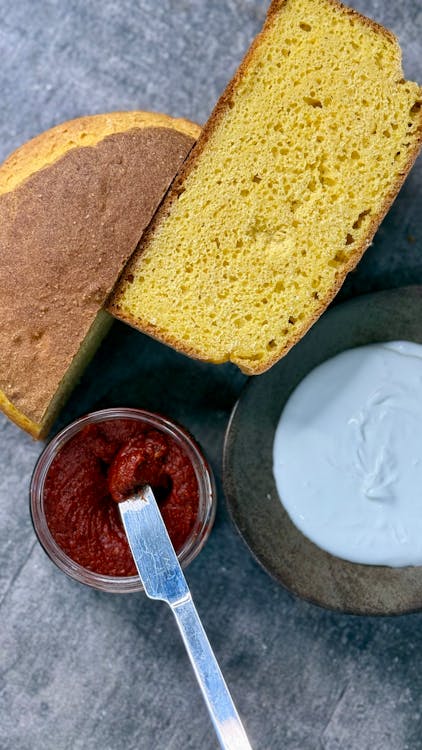
- Let the cornbread cool in the skillet for 5 minutes before slicing into wedges. Serve warm with butter, honey, or as-is alongside your favorite comfort food.
Notes
Cast iron is key: The preheated skillet creates those signature crispy, golden edges. A regular baking dish works but won't give you the same crust.
Sugar is optional: Traditional Southern cornbread doesn't include sugar. Start with 2 tablespoons and adjust to your preference.
Buttermilk substitute: Mix 1 tablespoon of lemon juice or white vinegar with 1 cup of whole milk. Let sit for 5 minutes before using.
Don't overmix: Stir until the flour just disappears — lumps are okay.
Storage: Wrap tightly and store at room temperature for 2–3 days, or freeze for up to 2 months.